
Why eSIM Makes Travel Data Costs More Predictable

Trish JonesTravel Blogger
Published:
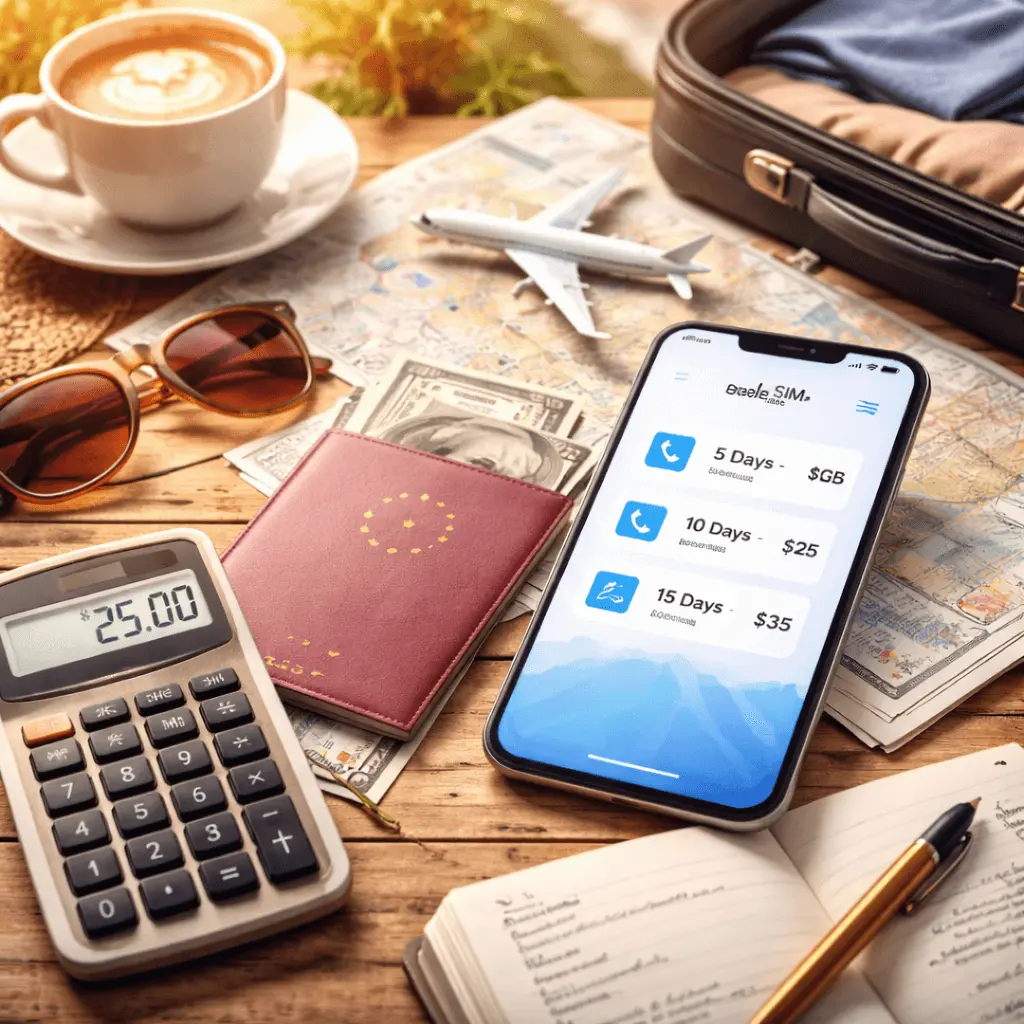
One of the least fun surprises in travel is the one that shows up after you get home: an unexpected phone bill. Many travelers have experienced it — you used your phone “just a little,” relied on maps, sent a few messages, maybe uploaded a couple of photos… and somehow the cost exploded.
Travel data costs can feel unpredictable because traditional options often come with hidden complexity. Roaming fees vary by country, carriers use different rules, and it’s not always clear when your phone is using paid data versus Wi-Fi. Even local physical SIM cards can cost uncertainty if you don’t fully understand the plan, the top-up process, or what happens when the data runs out.
That’s why travelers are increasingly switching to eSIM. Not only because it’s convenient, but because it makes travel data spending clear, controlled, and predictable.
Why Travel Data Costs Feel Unpredictable in the First Place
Before we talk about eSIM, it helps to understand why people struggle to predict data costs while abroad.
Roaming plans can be confusing
Roaming often looks simple — until it isn’t. Depending on your carrier and destination, you might see:
• daily roaming fees that add up fast
• different rates per country
• restrictions on speed after a certain amount of data
• “accidental roaming” when crossing borders
• background data usage you didn’t realize was happening
Even when roaming has a “pass,” travelers often aren’t sure what’s included, what’s not, and what the final bill will be.
Local SIM cards are not always straightforward
Buying a local SIM can be cheaper, but cost predictability isn’t guaranteed. You might face:
• airport kiosk “tourist pricing”
• confusing plan options in another language
• unclear top-up rules
• data that expires quickly
• unused credit that becomes waste
Sometimes you buy more than you need “just in case.” Other times you run out at the worst moment and end up paying again.
Data usage is hard to estimate while traveling
Travel days trigger high data usage. Maps, ride apps, translations, travel bookings, photo uploads, and messaging all add up — and many apps use background data without you noticing.
So the core issue isn’t only price. It’s that travelers lack control and visibility.
How eSIM Makes Costs More Predictable
An eSIM is a digital SIM that lets you download a travel data plan without a physical card. But the bigger benefit is how it changes the way you buy and manage travel data.
Here’s what makes eSIM spending more predictable.
1) You choose the plan before you travel
With eSIM, you typically pick a plan in advance. That means you’re making decisions when you’re not exhausted at an airport and not pressured by lines or language barriers.
You can review options calmly and choose based on:
• destination coverage
• trip duration
• how much data you realistically need
• your budget
2) Prepaid pricing keeps you in control
Most travel eSIM plans are prepaid. This matters because it creates a clear boundary:
You pay upfront, and you know what you’re getting.
No surprise roaming bills later. No “I didn’t realize that counted.” You decide how much to spend and what data limit you want.
Natural link point: see plan pricing or compare data packages.
3) You avoid accidental roaming charges
A common reason travel costs become unpredictable is accidental roaming — especially when you:
• land and forget to change settings
• cross a border for a day trip
• have your phone switching networks in the background
With eSIM, travelers often set the eSIM plan as the default for mobile data and keep their home SIM only for calls and texts. That reduces the chance of your home carrier charging you for data usage abroad.
4) Regional plans reduce “new country” expenses
Multi-country travel can destroy predictability. Each new country introduces a new decision: buy another SIM, pay another roaming fee, or struggle with connectivity.
Many eSIM options include regional plans that work across multiple countries. This makes cost planning easier because you’re not purchasing connectivity repeatedly.
Example: a traveler visiting Spain, France, and Italy can use one regional plan rather than dealing with three different SIM situations.
5) Top-ups are clear and instant
When you run out of data while traveling, it’s often stressful — and expensive if you’re forced into a quick roaming solution.
eSIM plans usually allow you to top up or buy another package digitally. That keeps costs predictable because:
• you can see the price before you buy
• you only add what you need
• you don’t waste time finding a shop
A Simple Example of Predictable Costs
Let’s say you’re traveling for 10 days.
Option A: Roaming
You pay a daily fee. Even if it’s “only” a certain amount per day, it can still stack up to a large number — and you might not know what happens if you exceed a limit or enter a new country.
Option B: Local SIM
You might get a good deal, but you could pay extra at the airport, struggle to top up, or end up buying more than you need. It’s not always predictable.
Option C: eSIM
You a 10-day plan with a fixed amount of data, pay upfront, and use it. If you need more, you top up with clear pricing.
That’s predictability: fewer unknowns and fewer surprises.
Tips to Keep Your eSIM Data Spend Predictable
If you want maximum cost control, here are simple habits that help:
• Choose a plan based on trip length and realistic usage
• Use a regional plan if visiting multiple countries
• Set your eSIM as the default data line
• Turn off data roaming on your home SIM
• Use Wi-Fi for heavy uploads when possible
• Track usage in your phone settings
Final Thoughts
When you travel, your budget should go to experiences — not surprise connectivity bills. eSIM makes travel data costs more predictable because it gives you:
• upfront pricing
• prepaid control
• fewer roaming risks
• easier multi-country coverage
• simple top-ups without stress
If you want a smoother and more budget-friendly travel experience, a good next step is to browse travel eSIM plans or download the app to manage your data on the go.